Costs Tortoise offer for sale: Your Complete Guide to Finding Healthy, Ethically-Sourced Chelonians
Introduction Searching for a turtle offer for sale can feel frustrating when you're encountered with countless options online. As someone who's dealt with reptile dog breeders for over a years, I've experienced both heartbreaking scenarios with undesirable animals and stunning success stories with appropriately sourced turtles. Whether you're looking for a gentle Aldabra giant or a spectacular ivory sulcata, understanding what makes a quality dog breeder and how to pick a healthy tortoise is definitely crucial prior to making this 50+ year dedication. The exotic animal market has actually blown up recently, yet not all sellers focus on pet well-being. This overview will certainly stroll you with everything you require to find out about buying turtles responsibly, identifying healthy and balanced samplings, and finding reliable sources for even the rarest types. Understanding Different Tortoise Species Available Popular Species You'll Find to buy When browsing tortoises offer for sale, you'll come across species ranging from typical to very rare. Here's what you need to understand: Common Species: Russian Tortoises: Hardy, little (6-10 inches), best for beginners Greek Tortoises: Similar like Russians, a little bigger Hermann's Tortoises: European varieties, exceptionally personalized Red-Footed Tortoises: Colorful, omnivorous, medium-sized Costs Species: Aldabra tortoise for sale : One of the world's largest varieties, getting to 550+ pounds Ivory sulcata tortoise offer for sale: Rare shade morph of the preferred African spurred turtle Radiated tortoise offer for sale: Critically threatened, spectacular celebrity pattern on covering Ultra-Rare Species: Angonoka turtle available: Among the world's rarest, less than 400 exist in the wild Real albino turtle up for sale: Genetic anomalies creating entirely white/yellow samplings What Makes a Reputable Tortoise Breeder Red Flags to Avoid I've seen way too many sad new proprietors that bought sick tortoises from doubtful sources. Look for these caution signs: Sellers who won't supply photos of the actual animal Abnormally low rates (healthy and balanced tortoises aren't inexpensive). No health assurances or return policies. Lack of CITES permits for secured types. Shipping during severe weather condition without doubt. Multiple types readily available year-round (suggests broker, not dog breeder). Eco-friendly Flags of Quality Sellers. Legit breeders will:. Provide comprehensive images and video clips of your particular tortoise. Share hatching days and family tree details. Offer wellness certificates from certified veterinarians. Give comprehensive treatment sheets particular to the types. Keep temperature-controlled shipping methods. Respond promptly to inquiries with educated answers. Have verifiable testimonials and credibility in reptile neighborhoods. Turtle Pricing: What to Expect. Understanding market prices helps you prevent frauds and find reasonable deals. Right here's the sensible pricing landscape:. Entry-Level Species ($ 150-$ 400):. Russian, Greek, Hermann's tortoises (hatchlings). Common sulcata turtles. Mid-Range Species ($ 400-$ 1,500):. Red-footed tortoises. Leopard turtles. Larger or sub-adult samplings. 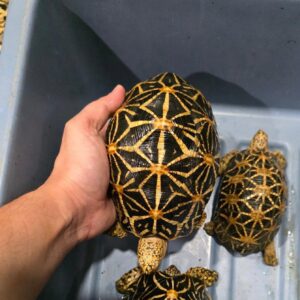 Premium Species ($ 1,500-$ 5,000+):. Aldabra tortoise up for sale normally begin at $2,000-$ 3,000 for children. Emitted tortoise offer for sale variety from $2,500-$ 4,000 (with correct permits). Ivory sulcata tortoise for sale command $3,000-$ 8,000 because of rarity. Ultra-Rare Morphs ($ 5,000-$ 50,000+):. Real albino tortoise up for sale samplings are very beneficial. Angonoka turtle up for sale are virtually difficult to acquire lawfully (CITES Appendix I). Note: Higher rates normally suggest captive-bred, healthy and balanced animals from developed breeders. Suspiciously affordable tortoises typically have health and wellness issues or questionable origins. ✅ How to Identify a Healthy Tortoise Before Purchase. Physical Examination Checklist. Prior to committing to any type of turtle to buy, demand examining these health markers:. Eyes:. Clear, bright, and alert. No discharge, swelling, or cloudiness. Receptive to activity. Shell Condition:. Smooth, strong structure (mild pyramiding appropriate in some species). No soft areas, splits, or unusual discoloration. Proper scute development for the species. Nose and Mouth:. No bubbling, hissing, or struggled breathing. Clear nostrils without discharge. No noticeable mouth rot or swelling. Body Condition:. Proper weight for size (not emaciated or puffed up). Active and responsive. Legs can support body weight without problem. Actions:. Alert and curious. Responds to food. No lethargy or severe hiding. Preparing for Your New Tortoise. Important Setup Before Arrival. Don't buy a turtle up for sale till you have whatever all set:. Housing Requirements:. Room size: Minimum 8x4 feet for adults of a lot of species. Heating: Basking spot 90-100 ° F, ambient 75-85 ° F( species-dependent). UVB lighting: 10-12% UVB for proper calcium metabolism. Substrate: Coconut coir, cypress compost, or topsoil mix. Conceal boxes: Multiple hiding places for safety and security. For Large Species (Aldabra, Sulcata):. Strategy for exterior real estate in suitable climates. Safe and secure fence hidden 12-18 inches deep. Warmed shelter for cool climate. Think about grown-up dimension: aldabra turtle available for sale as hatchlings become 500+ extra pound giants. Legal Considerations and Permits. Comprehending CITES and Wildlife Laws. This is non-negotiable. Numerous turtle species are safeguarded under global and domestic regulation. Points Out Appendix I Species (greatest protection):. Angonoka tortoises. Emitted tortoises (industrial trade essentially restricted). Require extraordinary permits, seldom given. Points Out Appendix II Species (controlled profession):. Greek tortoises. Spur-thighed turtles. Need proper paperwork from breeders. State and Local Laws:. Some states ban certain varieties entirely. Others need permits or restriction numbers. Verify laws BEFORE buying. Collaborating with reliable sellers ensures all legal documents accompanies your acquisition. Prohibited wild animals profession adds to types termination. Unique Considerations for Rare Morphs. Albino and Color Variations. The marketplace for true albino turtle up for sale and color morphs has expanded dramatically. Below's what you need to understand:. True Albinos:. Total absence of melanin (pink eyes, white/yellow coloration). Require customized treatment (extra UV defense). Substantially more costly. Greater death prices as hatchlings. Ivory Sulcatas:. Leucistic morph (lowered, not lacking coloring). Lighter than regular sulcatas yet not pure white. Normally healthy and balanced with basic treatment requirements. Extremely demanded by enthusiasts. Vital: Color morphs do not transform care needs dramatically, however UV-sensitive morphs need additional color options. Species-Specific Buying Guidance. Aldabra Tortoises. When thinking about an aldabra turtle available, recognize the commitment:. Second-largest turtle species worldwide. Life-span surpasses 100 years. Call for acres of area as adults. Many states need permits. Initial expense is small contrasted to lifetime housing/feeding costs. Best for: Experienced caretakers with significant home and long-term planning. Radiated Tortoises. The emitted tortoise for sale market is heavily restricted due to critically threatened standing:. Only captive-bred specimens with complete CITES documentation are legal. Confirm seller's licenses carefully. Call for cozy, humid settings (Madagascar environment simulation). Herbivorous diet plan with high fiber content. Support conservation with honest purchasing just. Cream Color Sulcata Tortoises. An ivory sulcata tortoise for sale represents a considerable investment:. Very same care as conventional sulcatas (hot, dry problems). Grow 24-30 inches and 100+ extra pounds. Respected diggers calling for secure outdoor pens. Color does not fade with proper UV direct exposure. Confirm morph legitimacy with breeder documents. Safe Shipping and Transportation. What Professional Breeders Do. Credible vendors delivering turtles comply with rigorous procedures:. Temperature-Controlled Shipping:. Just ship during modest weather (40-85 ° F). Consist of warmth or trendy packs as needed. Use FedEx or UPS over night delivery only. Shielded containers with proper ventilation. Packaging Standards:. Private areas prevent motion. Wet substrate for humidity. No food/water during transportation (stops drowning/aspiration). Clear labeling: “Live Harmless Reptile”. Arrival Protocol:. Unbox right away. Take in superficial cozy water (15-20 minutes). Area in prepared enclosure. Display closely for 48 hours. Do not handle exceedingly initially. ⚖ Pros and Cons of Buying Tortoises Online vs. Local. Online Purchases. Advantages:. ✅ Access to rare species and morphs. ✅ Wider choice from specialized dog breeders. ✅ Competitive pricing. ✅ Detailed wellness documents and warranties. Drawbacks:. ❌ Can't physically evaluate prior to acquisition. ❌ Shipping tension on animal. ❌ Potential hold-ups or climate concerns. ❌ Harder to validate breeder track record. Local Purchases (Expos, Breeders, Rescues). Benefits:. ✅ Physical assessment prior to purchasing. ✅ No delivery stress and anxiety. ✅ Immediate response to concerns. ✅ Rescue companies conserve lives. Downsides:. ❌ Limited varieties schedule. ❌ Potentially greater rates. ❌ Fewer rare morphs. ❌ May require travel. Specialist Recommendation: For novices, neighborhood purchases from reptile expositions enable hands-on evaluation. Experienced caretakers looking for particular types commonly gain from specialized online breeders with tested credibilities. Last Tips for First-Time Buyers. Making the Right Choice. Before you acquire any kind of tortoise up for sale, ask on your own:. Can I accommodate adult size? That 3-inch hatchling becomes 100+ extra pounds. Do I have 50+ years of commitment? Turtles outlast most pets. Is my environment appropriate? Numerous call for outside gain access to. Can I afford veterinary care? Unique veterinarians are costly. Have I researched completely? Species-specific demands differ drastically. Begin with these beginner-friendly varieties:. Russian tortoises (small, hardy, modest price). Hermann's tortoises (personalized, manageable size). Red-footed tortoises (forgiving humidity demands). Avoid as first tortoises:. Sulcatas (expand also huge for most). Aldabras (huge, complex needs). Radiated turtles (costly, delicate, legal complications). Final thought. Locating the ideal turtle for sale needs perseverance, research, and dedication to ethical sourcing. Whether you're attracted to the majesty of an aldabra tortoise up for sale or the special elegance of a cream color sulcata tortoise to buy, focusing on health, legitimacy, and respectable dog breeders guarantees a favorable experience for both you and your new shelled buddy. Keep in mind: the cheapest option is hardly ever the most effective choice. A healthy and balanced, appropriately sourced tortoise from a well established dog breeder will give decades of companionship, while a deal purchase typically brings about broken heart and expensive vet bills. Take your time, ask inquiries, confirm credentials, and prepare extensively before earning your brand-new good friend. The tortoise neighborhood is filled with passionate caretakers excited to aid beginners do well. Sign up with online forums, participate in reptile expositions, and get in touch with neighborhood herpetological societies to proceed your education and learning long after your purchase. ❓ Frequently Asked Questions (FAQ Schema). Q: How a lot does a tortoise to buy generally set you back? A: Prices range from $150-$ 400 for typical types like Russians and Greeks, $400-$ 1,500 for mid-range types like leopard tortoises, and $2,000-$ 50,000+ for uncommon species like aldabra turtle to buy, emitted turtle available, or real albino turtle up for sale samplings. Always research normal rates to prevent scams. Q: Is it legal to buy a radiated turtle to buy in the United States? A: Only captive-bred emitted tortoises with appropriate CITES paperwork are lawful. This seriously threatened types is heavily shielded, and sellers need to supply total documentation showing lawful restricted reproduction. Never buy without validating authorizations. Q: What should I look for when buying an aldabra tortoise for sale? A: Verify the vendor has appropriate licenses, analyze the hatchling for clear eyes and solid shell, verify you have area for a 500+ extra pound adult, and ensure you can offer appropriate outside housing in your environment. buy here and lineage information from respectable breeders. Q: Are ivory sulcata tortoise for sale various to look after than normal sulcatas? A: No, cream color sulcata tortoises call for the same like common sulcatas: warm, arid atmospheres, huge outdoor enclosures, and high-fiber diet plans. The color morph doesn't change husbandry requirements, though they're substantially much more pricey due to rarity. Q: Can I legitimately have an angonoka turtle offer for sale? A: Angonoka tortoises are CITES Appendix I, making business profession practically impossible. These critically jeopardized tortoises (less than 400 stay wild) are only held legally in recognized zoos and conservation programs. Private ownership is basically prohibited worldwide.