🐢 Premium Tortoise for Sale: Your Complete Guide to Finding the Perfect Shelled Companion
Finding a turtle available for sale can be an interesting journey right into the world of chelonian companionship. These magnificent reptiles make remarkable pet dogs, providing years of loyal companionship with correct care. Whether you're browsing for a gentle gigantic Aldabra or a spectacular radiated types, recognizing what makes a quality tortoise acquisition is essential for both your contentment and your future family pet's wellness. The tortoise market has actually progressed considerably, with more choices than ever to acquire turtle online from honest breeders who focus on pet health and wellness. However, not all vendors maintain the exact same requirements. This comprehensive overview will stroll you through everything you need to know before bringing home your shelled buddy, from types selection to health and wellness confirmation, guaranteeing you make an educated decision that profits both you and your new buddy. Recognizing Different Tortoise Species Available Popular Species in Today's Market The range of varieties offered when you look for a turtle to buy can feel frustrating. Right here's what identifies one of the most in-demand options: Sulcata Tortoises Third-largest tortoise species internationally Hardy and adaptable to numerous environments Can reach 100+ extra pounds at maturity Life expectancy: 70-100 years Perfect for skilled caretakers with space The cream color sulcata turtle available for sale represents an unusual shade morph featuring cream-colored coverings rather of the typical brown. These specimens command premium prices as a result of their rarity and striking look. Aldabra Tortoises Gigantic types from Seychelles islands Second-largest turtle internationally Weight: 350-550 extra pounds when mature Requires considerable outdoor environment Lifespan goes beyond 100 years When you locate an aldabra turtle up for sale, verify the vendor has proper CITES documentation, as these are safeguarded varieties requiring particular permits. Radiated Tortoises Critically endangered Madagascar locals Sensational star-pattern coverings Smaller dimension: 12-16 inches Extremely social individualities Rigorous lawful needs for possession Any kind of emitted turtle up for sale should include complete documents proving legal restricted breeding. Never ever purchase wild-caught samplings. Unusual Color Morphs Worth Knowing Truth albino turtle to buy stands for the peak of turtle reproducing success. These hereditary marvels attribute: Full lack of melanin coloring Pink or red eyes White or cream-colored coverings Severe rarity on the market Premium financial investment value Albino tortoises require specific care consisting of UV protection and mindful temperature level administration. ✅ What to Look for When You Buy Tortoise Online Wellness Indicators Every Buyer Must Check Getting reptiles from another location needs vigilance. Here's your vital checklist: Physical Health Signs: Eyes: Clear, sharp, no discharge or swelling Shell: Firm without soft places, pyramiding, or splits Nostrils: Dry without bubbling or mucus Weight: Appropriate for size and age Activity Level: Alert and receptive to stimulations Skin: No sores, swellings, or discoloration 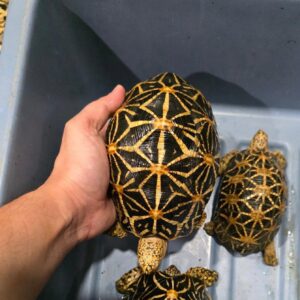 Concerns to Ask Sellers: What's the tortoise's hatching day and beginning? What's the current diet regimen and feeding schedule? Can you provide recent veterinary records? What are your health and wellness assurances? Just how will delivery be handled? Are you licensed and USDA registered? Documents Requirements Genuine vendors give: Points out certifications (for appropriate varieties). Health and wellness certificates from certified reptile vets. Family tree information verifying restricted breeding. Treatment sheets certain to the types. Shipping insurance policy details. Contact details for post-purchase assistance. Advantages of Purchasing From Reputable Breeders. Pros of Buying Quality Tortoises. Advantages:. Health Assurance: Properly began infants with established eating habits. Hereditary Quality: Bred for vitality and desirable qualities. Expert Support: Lifetime advice from experienced dog breeders. Lawful Compliance: All essential licenses and documentation. Honest Standards: No wild-caught samplings hurting populations. Investment Value:. Quality turtles from reputable sources maintain value and even appreciate, specifically uncommon morphs like cream color sulcatas or real albinos. Potential Challenges to Consider. Disadvantages:. Higher Initial Cost: Quality reproducing commands fair rates. Waiting Lists: Best dog breeders usually have lengthy booking checklists. Shipping Stress: Remote purchases need careful transport. Long-lasting Commitment: These animals outlive most other pets. Space Requirements: Many species need significant environments. Step-by-Step Purchase Process. Just How to Successfully Buy Your Tortoise. Action 1: Research Your Ideal Species. Suit the tortoise to your climate, space, and experience level. Mediterranean species match warm climates, while exotic species need heated environments year-round. Step 2: Budget Appropriately. Past purchase price, consider:. Habitat configuration: $300-$ 2,000+. Yearly food prices: $200-$ 500. Vet care: $150-$ 400 yearly. Heating/lighting: $100-$ 300 yearly. Step 3: Locate Reputable Breeders. Make use of these sources:. Tortoise Forum dog breeder suggestions. Reptile expos and shows. USDA accredited breeder directories. Species-specific clubs and organizations. Step 4: Verify Credentials. Validate business licenses, USDA registration, and customer evaluations throughout numerous platforms. Step 5: Arrange Safe Shipping. Reputable breeders ship only when weather condition permits, normally in between 40-85 ° F. They utilize:. Shielded delivery boxes. Heat or ice bags as required. Over night distribution solutions. Real-time arrival guarantees. Action 6: Prepare Your Habitat. Have every little thing ready prior to arrival:. Proper enclosure size. Appropriate substrate. Heat and UVB lighting. Water and food meals. Conceal boxes and enrichment. Expert Insights on Tortoise Selection. Real-World Wisdom from 20+ Years in Chelonian Care. After twenty years functioning with tortoises, I've observed that brand-new keepers are successful most when they:. Begin Appropriately: Begin with sturdy types like Russian or Hermann's tortoises instead of sensitive selections needing experienced treatment. Focus On Age: Yearling turtles (8-12 months old) supply the wonderful spot between breakable hatchlings and expensive grownups. They've proven their viability while remaining budget friendly. Go to When tortoise for sale : Nothing changes seeing your potential family pet in person. Tortoise programs and expositions let you engage prior to devoting. Join Communities First: Spend time in tortoise discussion forums and social media groups prior to purchasing. The understanding you'll gain prevents pricey mistakes. One customer urged on purchasing a radiated turtle in spite of living in a northern climate. Within months, the heating costs exceeded $200 month-to-month. She at some point rehomed the pet. Matching types to your setting and way of life isn't optional— it's honest duty. Guaranteeing Long-term Success. Vital Care Factors. Environmental Requirements:. Temperature Gradients: Basking areas 95-100 ° F, trendy side 75-80 ° F. UVB Lighting: Essential for calcium metabolic process, replace every 6-12 months. Humidity Control: Species-specific, ranging from 40-80%. Substratum Choices: Avoid cedar, ache, or corn cob. Nutritional Essentials:. 90% dark leafy environment-friendlies and veggies. 5% fruits (treats only). 5% protein (for some varieties). Calcium supplementation 3-4 times once a week. Fresh water daily. Wellness Monitoring:. Arrange yearly veterinary examinations with reptile professionals. Expect:. Respiratory system concerns (wheezing, nasal discharge). Covering issues (soft places, uncommon development). Bloodsuckers (typical in brand-new acquisitions). Metabolic bone illness (shell defects). Final thought. Finding the ideal turtle available requires research study, patience, and dedication to ethical buying methods. Whether you're drawn to the impressive dimension of an Aldabra, the spectacular patterns of an emitted tortoise, or the unique charm of cream color and albino morphs, prioritizing health and lawful conformity ensures a rewarding lifelong relationship with your shelled friend. Remember: when you acquire turtle online, you're not just buying a pet dog— you're approving responsibility for a living being that may outlive you. Select trustworthy dog breeders, verify all documents, prepare adequately, and devote to providing outstanding care. Your thoroughness today establishes your turtle's quality of life for years ahead. Prepared to invite a turtle into your household? Start by linking with well-known breeders, signing up with turtle neighborhoods, and developing the ideal habitat. Your prehistoric good friend is waiting! ✨. ❓ FAQ Schema Section. Q1: How a lot does a turtle for sale typically set you back? A: Tortoise prices range from $100-$ 300 for usual types like Russian or Greek tortoises, $200-$ 800 for sulcatas, and $1,500-$ 5,000+ for unusual types or morphs like radiated tortoises, aldabras, or true albinos. Shade morphs and tried and tested breeding grownups command costs costs. Q2: Is it risk-free to acquire tortoise online? A: Yes, when buying from trustworthy, USDA-licensed breeders that give health warranties, proper paperwork, and safe over night delivery with live arrival assurances. Always confirm dog breeder credentials and reviews before buying. Q3: What permits do I need to possess specific turtle varieties? A: Requirements vary by types and place. Emitted and aldabra turtles call for CITES documents. Some states call for licenses for specific varieties. Constantly confirm federal and state regulations prior to purchasing, and ensure your seller offers all required legal documentation. Q4: How long do tortoises live as animals? A: Most tortoise types live 50-100+ years with proper treatment. Smaller sized types like Russians may live 40-60 years, while giants like aldabras and sulcatas commonly go beyond 100 years. This makes them lifetime dedications needing estate planning. Q5: What's the difference in between captive-bred and wild-caught tortoises? A: Captive-bred tortoises are healthier, adapted to bondage, parasite-free, and legal. Wild-caught specimens are frequently prohibited, stressed, parasite-laden, and damage wild populations. Constantly pick captive-bred turtles from recorded breeders— never support wild collection.