🐢 Premium Tortoise for Sale: Your Complete Guide to Finding the Perfect Shelled Companion
Finding a tortoise offer for sale can be an amazing journey into the globe of chelonian companionship. These amazing reptiles make amazing pets, supplying years of loyal companionship with appropriate treatment. Whether you're looking for a gentle giant Aldabra or a spectacular radiated types, understanding what makes a top quality turtle purchase is essential for both your contentment and your future family pet's wellbeing. The tortoise market has evolved substantially, with more choices than ever to get turtle online from honest breeders that focus on pet health and wellness. However, not all sellers maintain the exact same requirements. This thorough guide will walk you through everything you need to understand before earning your shelled buddy, from species selection to wellness confirmation, guaranteeing you make an informed choice that benefits both you and your new companion. Understanding Different Tortoise Species Available Popular Species in Today's Market The variety of types readily available when you look for a tortoise available can really feel frustrating. Right here's what differentiates the most sought-after choices: Sulcata Tortoises Third-largest turtle species around the world Hardy and versatile to various climates Can reach 100+ extra pounds at maturation Life expectancy: 70-100 years Perfect for knowledgeable keepers with space The cream color sulcata turtle for sale represents an unusual color morph including cream-colored coverings instead of the regular brown. These specimens command premium prices because of their rarity and striking look. Aldabra Tortoises Huge species from Seychelles islands Second-largest tortoise worldwide Weight: 350-550 extra pounds when mature Requires significant exterior environment Life-span exceeds 100 years When you locate an aldabra turtle for sale, verify the vendor has proper CITES paperwork, as these are protected species requiring certain licenses. Radiated Tortoises Seriously endangered Madagascar locals Sensational star-pattern coverings Smaller dimension: 12-16 inches Highly social individualities Strict lawful demands for possession Any emitted tortoise up for sale need to include complete paperwork proving lawful captive reproduction. Never purchase wild-caught samplings. Uncommon Color Morphs Worth Knowing Truth albino turtle offer for sale stands for the peak of tortoise reproducing success. These hereditary marvels feature: Full lack of melanin pigmentation Pink or red eyes White or cream-colored shells Extreme rarity in the market Premium financial investment worth Albino tortoises call for specific care consisting of UV security and cautious temperature administration. ✅ What to Look for When You Buy Tortoise Online Health And Wellness Indicators Every Buyer Must Check Investing in reptiles from another location calls for caution. Below's your essential list: Physical Health Signs: Eyes: Clear, alert, no discharge or swelling Covering: Firm without any soft spots, pyramiding, or cracks Nostrils: Dry with no bubbling or mucous Weight: Appropriate for size and age Activity Level: Alert and responsive to stimuli Skin: No sores, swellings, or staining Concerns to Ask Sellers: What's the tortoise's hatching date and origin? What's the present diet and feeding schedule? Can you provide current veterinary documents? What are your health guarantees? How will delivery be taken care of? Are you certified and USDA signed up? Documentation Requirements Legit vendors give: CITES certifications (for suitable types). Wellness certifications from certified reptile vets. Family tree information confirming captive reproduction. Care sheets details to the varieties. Shipping insurance information. Get in touch with details for post-purchase support. Benefits of Purchasing From Reputable Breeders. Pros of Buying Quality Tortoises. Benefits:. Health Assurance: Properly began babies with recognized eating practices. Genetic Quality: Bred for vigor and desirable characteristics. Specialist Support: Lifetime assistance from well-informed breeders. Lawful Compliance: All essential permits and documentation. Moral Standards: No wild-caught samplings damaging populaces. Investment Value:. Quality tortoises from credible sources preserve worth and even value, especially uncommon morphs like ivory sulcatas or true albinos. Potential Challenges to Consider. Disadvantages:. Greater Initial Cost: Quality reproducing commands reasonable prices. Waiting Lists: Best breeders typically have lengthy appointment listings. Delivering Stress: Remote purchases call for careful transportation. Long-term Commitment: These animals outlive most various other animals. Area Requirements: Many types need substantial environments. Step-by-Step Purchase Process. Exactly How to Successfully Buy Your Tortoise. Action 1: Research Your Ideal Species. Suit the turtle to your environment, room, and experience degree. Mediterranean types fit temperate environments, while tropical types require heated atmospheres year-round. Action 2: Budget Appropriately. Beyond acquisition price, consider:. Environment setup: $300-$ 2,000+. Annual food prices: $200-$ 500. Veterinary treatment: $150-$ 400 yearly. Heating/lighting: $100-$ 300 every year. Action 3: Locate Reputable Breeders. Utilize these sources:. Tortoise Forum dog breeder suggestions. Reptile expos and shows. 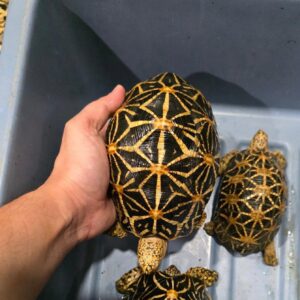 USDA licensed dog breeder directory sites. Species-specific clubs and associations. Tip 4: Verify Credentials. Verify organization licenses, USDA registration, and client testimonials throughout multiple systems. Step 5: Arrange Safe Shipping. Respectable dog breeders ship only when climate permits, generally in between 40-85 ° F. They use:. Insulated shipping boxes. Warmth or ice bags as required. Over night shipment solutions. Real-time arrival guarantees. Action 6: Prepare Your Habitat. Have everything ready before arrival:. Appropriate enclosure size. Proper substrate. Heat and UVB lights. Water and food dishes. Conceal boxes and enrichment. Expert Insights on Tortoise Selection. Real-World Wisdom from 20+ Years in Chelonian Care. After twenty years working with turtles, I've observed that new keepers succeed most when they:. Begin Appropriately: Begin with hardy species like Russian or Hermann's turtles instead of delicate varieties needing experienced care. Prioritize Age: Yearling tortoises (8-12 months old) supply the wonderful place between vulnerable hatchlings and costly grownups. They've shown their practicality while staying inexpensive. Visit When Possible: Nothing changes seeing your potential pet in individual. Turtle programs and expositions let you communicate prior to committing. Join Communities First: Spend time in turtle discussion forums and social media sites groups prior to buying. The knowledge you'll obtain avoids pricey errors. One customer firmly insisted on buying a radiated turtle in spite of staying in a northern environment. Within months, the heating prices went beyond $200 month-to-month. She at some point rehomed the pet. Matching types to your atmosphere and lifestyle isn't optional— it's moral responsibility. Ensuring Long-term Success. Vital Care Factors. Ecological Requirements:. Temperature Level Gradients: Basking spots 95-100 ° F, cool side 75-80 ° F. UVB Lighting: Essential for calcium metabolic rate, change every 6-12 months. Moisture Control: Species-specific, varying from 40-80%. Substratum Choices: Avoid cedar, yearn, or corn cob. Nutritional Essentials:. 90% dark leafy greens and vegetables. 5% fruits (deals with only). 5% healthy protein (for some species). Calcium supplementation 3-4 times regular. Fresh water daily. Health Monitoring:. Arrange annual veterinary exams with reptile professionals. Expect:. Breathing problems (hissing, nasal discharge). Shell troubles (soft spots, abnormal development). Bloodsuckers (typical in new acquisitions). Metabolic bone illness (shell defects). Conclusion. Locating the best turtle available for sale needs research, perseverance, and dedication to honest investing in methods. Whether you're attracted to the outstanding size of an Aldabra, the magnificent patterns of an emitted tortoise, or the one-of-a-kind elegance of ivory and albino morphs, prioritizing health and lawful conformity guarantees a gratifying long-lasting connection with your shelled buddy. Remember: when you get turtle online, you're not just purchasing a family pet— you're approving obligation for a living being that may outlive you. Pick respectable dog breeders, validate all documents, prepare adequately, and commit to supplying remarkable treatment. Your thoroughness today identifies your turtle's top quality of life for years to come. Prepared to welcome a turtle into your household? Start by getting in tortoise for sale with established dog breeders, joining turtle neighborhoods, and creating the perfect habitat. Your prehistoric pal is waiting! ✨. ❓ FAQ Schema Section. Q1: How much does a turtle for sale usually cost? A: Tortoise prices vary from $100-$ 300 for common species like Russian or Greek turtles, $200-$ 800 for sulcatas, and $1,500-$ 5,000+ for uncommon species or morphs like radiated tortoises, aldabras, or true albinos. Shade morphs and tried and tested reproduction adults command costs rates. Q2: Is it risk-free to buy tortoise online? A: Yes, when acquiring from trusted, USDA-licensed dog breeders that offer health guarantees, proper documents, and risk-free over night shipping with real-time arrival assurances. Always validate dog breeder qualifications and reviews prior to acquiring. Q3: What permits do I need to own certain turtle species? A: Requirements differ by species and area. Emitted and aldabra turtles call for CITES documentation. Some states require licenses for certain species. Constantly confirm federal and state policies before purchasing, and ensure your vendor gives all needed lawful documents. Q4: How long do turtles live as pet dogs? A: Most turtle varieties live 50-100+ years with appropriate care. Smaller sized types like Russians may live 40-60 years, while giants like aldabras and sulcatas commonly surpass 100 years. This makes them lifetime dedications needing estate preparation. Q5: What's the distinction in between captive-bred and wild-caught tortoises? A: Captive-bred tortoises are healthier, adjusted to captivity, parasite-free, and lawful. Wild-caught samplings are frequently unlawful, stressed out, parasite-laden, and damage wild populations. Constantly select captive-bred tortoises from documented dog breeders— never ever support wild collection.