Turtle to buy Near You
If you are looking for a turtle for sale, selecting a healthy and balanced, fairly reproduced turtle is one of the most essential action. Tortoises are long-lived reptiles that need specialized care, proper environment arrangement, and an educated owner. When sourced responsibly, they come to be extraordinary lifelong companions. As expert breeders and reptile experts, we concentrate on captive-bred turtles elevated controlled, optimal problems. Every turtle is begun on a nutrient-balanced diet plan, UVB exposure, and correct moisture levels to guarantee strong shell growth and immune health and wellness. Whether you're interested in a beginner-friendly Sulcata or a rare species like an angonoka tortoise to buy, this overview will assist you make a confident, educated choice. Why Buy a Captive-Bred Tortoise? Captive-bred turtles are healthier, more adaptable, and ethically sourced compared to wild-caught imports. Key Benefits: ✅ Stronger immune systems ✅ Well-established feeding practices ✅ Known hatch dates ✅ Legal documents when required ✅ Reduced parasite lots Wild-caught turtles frequently experience stress, dehydration, and inner bloodsuckers. A trusted dog breeder ensures correct incubation temperatures (generally 82— 90 ° F depending on types), regulated moisture, and correct calcium supplements from the first day. Popular Species of Tortoise available Selecting the right varieties depends on room, climate, and experience degree. Sulcata (African Spurred Tortoise). Adult size: 70— 100+ pounds. Life-span: 50— 70 years. Perfect for: Large outdoor units. The cream color sulcata tortoise available is a lighter-colored variation of the conventional Sulcata. These gentle giants require considerable area and commitment. Aldabra Giant Tortoise. Searching for an aldabra tortoise for sale means planning for one of the largest turtle types on the planet. Adult size: 400— 550 lbs. Life expectancy: 100+ years. Calls for: Extensive land, allows, progressed treatment. Aldabras are tranquil and smart but fit only for major caretakers or zoological centers. Emitted Tortoise. The emitted tortoise available for sale is known for its magnificent star-pattern covering. Adult size: 10— 16 inches. Life-span: 40— 60 years. Preservation status: Critically jeopardized. Just purchase from breeders with lawful captive-bred paperwork. Angonoka Tortoise. An angonoka turtle for sale is very rare and highly controlled. Native to Madagascar. Amongst the rarest turtles in the world. Strict lawful restrictions. Constantly validate compliance with wildlife legislations prior to making inquiries. True Albino & Specialty Morphs. A true albino turtle available is valued for its light coloration and red or pink eyes. These turtles require:. Reduced light intensity. Bonus UVB tracking. Cautious temperature level regulation. Albinos are a lot more sensitive, so they are advised for knowledgeable keepers. Exactly how to Choose the Right Tortoise. Prior to acquiring a turtle up for sale, assess:. 1. Room Requirements. Interior hatchling enclosure: 40+ gallon equivalent. Outdoor grown-up room: Species-dependent (Sulcatas demand huge yards). 2. Environment Compatibility. Exotic varieties require 70— 85% humidity. Desert species need dry substratum and basking locations. 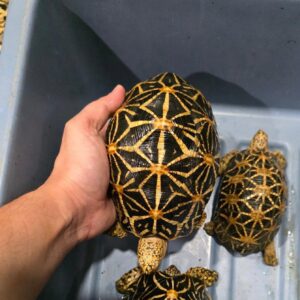 3. Long-Term Commitment. Numerous tortoises live 50— 100+ years. Think about succession planning. Advantages and disadvantages of Owning a Tortoise. ✅ Pros. Long lifespan. Quiet and low odor. Remarkable habits. Herbivorous diet (no insects called for). ❌ Cons. Long-term dedication. Large unit needs. Specialized UVB lights. Vet care might call for reptile experts. Correct Habitat Setup (Step-by-Step Guide). Setting up properly from the first day protects against covering deformities and metabolic bone disease. Step 1: Enclosure. Utilize a tortoise table or outside pen. Stay clear of glass storage tanks for bigger types. Step 2: Substrate. Coconut coir. Cypress compost. Avoid sand for many species. Step 3: Heating & Lighting. UVB bulb (10.0 for desert varieties). Basking temperature: 95— 105 ° F. Ambient temp: 75— 85 ° F. Step 4: Nutrition. Feed a high-fiber, calcium-rich diet:. Dandelion greens. Collard eco-friendlies. Hibiscus leaves. Grasses (for Sulcatas). Stay clear of high-protein foods and fruit (other than unusual deals with for exotic types). Specialist Insight: Shell Health Matters Most. In my professional experience breeding tortoises, 90% of health and wellness concerns come from inappropriate humidity and UVB direct exposure throughout the first year. Pyramiding (irregular shell growth) is avoidable with:. Consistent humidity control. Daily soaking for hatchlings. Proper calcium supplements. Balanced learn more . When assessing a tortoise available for sale, constantly ask:. What moisture were hatchlings elevated at? What UVB brand was utilized? What is the existing feeding schedule? Clear solutions signal a liable dog breeder. Delivery & Safety Standards. A reputable seller will certainly:. Ship overnight just. Usage protected containers. Consist of heat or ice bags when essential. Stay clear of extreme climate delivery. Online arrival assurances should be plainly mentioned. Lawful Considerations. Some varieties such as:. Angonoka. Radiated. Aldabra. may call for authorizations depending upon your state or nation. Constantly verify neighborhood wild animals regulations prior to buying. Who Should Buy a Tortoise? A turtle is ideal for:. Homeowners with lawn space. Long-lasting pet organizers. Reptile lovers. Families devoted to years of care. Not perfect for:. Frequent moving companies. Home dwellers (large varieties). Impulse purchasers. Taking care of Hatchlings vs Adults. Hatchlings. Higher moisture. Daily soaks. Close monitoring. Adults. Exterior grazing space. Solid fencing (Sulcatas dig!). Seasonal sanctuary. Regularly Asked Questions (FAQ Schema Ready). Q1: How long do turtles live? A lot of tortoises live 40— 100+ years depending on species. Aldabras can exceed 100 years. Q2: What do turtles consume? Mostly high-fiber leafy eco-friendlies and lawns. Prevent high-protein foods. Q3: Do turtles need UVB lighting? Yes. UVB is important for calcium metabolism and covering growth. Q4: Is it legal to get unusual tortoises? Some types require permits. Always validate neighborhood and government laws. Q5: How huge do Sulcata tortoises get? Sulcatas can exceed 100 pounds and call for huge outdoor units. Final Thoughts on Finding the Right Tortoise available for sale. Choosing the best turtle available has to do with even more than price it's about health and wellness, ethical reproduction, appropriate treatment, and long-term responsibility. With the proper configuration, diet plan, and dedication, a turtle can become a long-lasting friend spanning generations. Take your time, validate dog breeder transparency, and prepare the environment prior to your turtle gets here. A well-started tortoise will award you with years of stable growth, fascinating behavior, and unequaled long life.